A table is both a surface and a gathering place. It holds food, conversation, a passing dish, and perhaps the small details that mark a season. The most successful holiday setting respects all of those uses. Start with the people and meal you expect, then decide what decoration can sit comfortably alongside them.
Begin with the table’s real work
Clear the surface and imagine the meal from beginning to end. Where will serving dishes go? Is there room for water, glasses and the movement of hands? Will people need to stand and sit, or pass bowls across the table? If the dining area is small, a central decoration may need to be low, narrow or temporary. In a larger setting, several modest details can create a gentle line without making a single elaborate centrepiece necessary.
Think about the needs of the people who will gather. Leave reachable space for children, older guests or anyone who benefits from a clear surface. Consider allergies and sensitivities when choosing fragrant foliage or candles. A beautiful arrangement is not useful if it gets in the way of the meal or makes someone uncomfortable. Make room first; decorate second.
Build from familiar materials
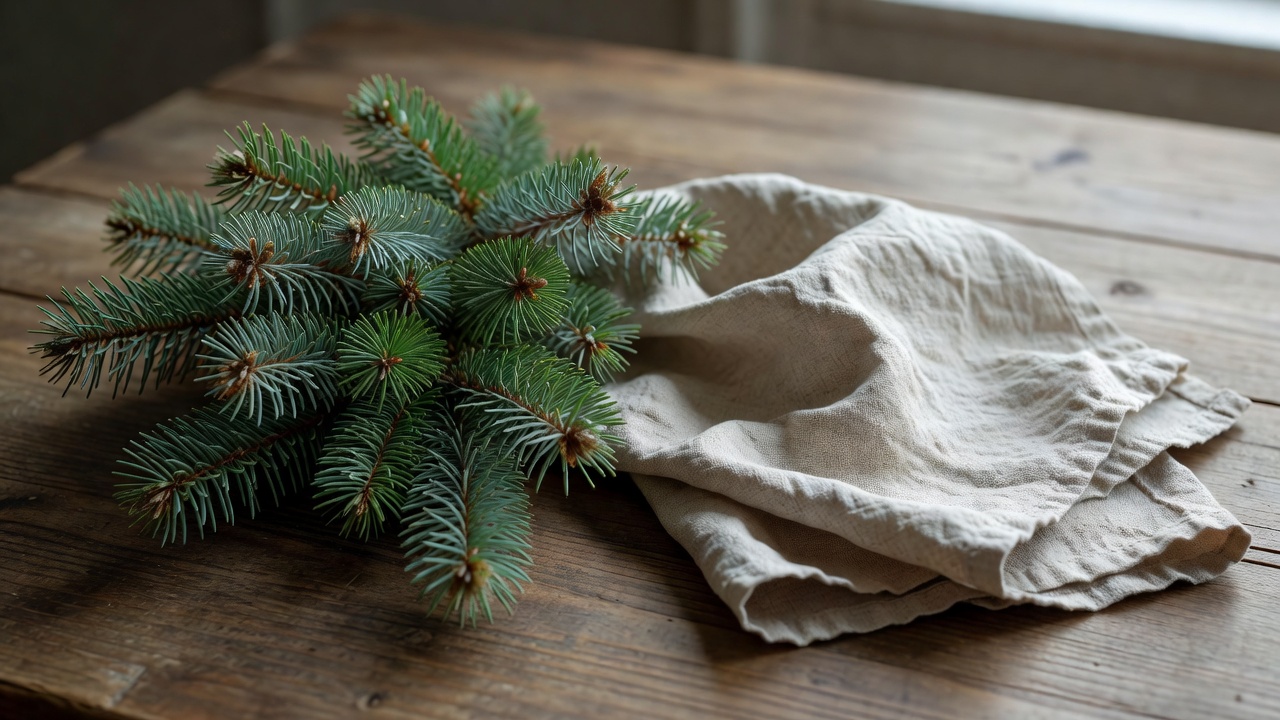
Look through the everyday cupboard before setting out to find a new theme. Plain plates, a well-used serving bowl, cloth napkins or a table runner can become the foundation. Add one seasonal element—a short evergreen clipping in a safe, stable container, a familiar ornament beside each place, or a ribbon tied loosely around a napkin. Repeating one small gesture can connect the setting without requiring everything to match.
Materials with different surfaces often work naturally together. A smooth plate next to woven cloth, a matte bowl against a polished spoon, or a soft napkin beside a small branch can make an arrangement feel tactile. Notice how the objects feel as well as how they look. Avoid using anything that may shed, stain, snag fabric or become a food-safety concern. If a piece is delicate or hard to clean, keep it away from serving areas.
Keep the centre low and the path clear
Guests should be able to see one another. A tall arrangement can block conversation, so keep central decoration low enough to preserve sightlines, or position taller elements away from the middle. Check that all parts are stable and that people can reach the food without stretching over a flame or fragile object. A line of several low items can work better than one tall focal point, provided it leaves enough clear space.
Try the setting before guests arrive. Place the serving dishes you expect to use, even if they are empty, and see how much room remains. Move the centerpiece or remove a decorative element if it competes with the meal. This rehearsal often reveals a simple solution: shift a vase, clear an extra place, or use the sideboard for overflow. Let the table serve its purpose rather than asking the food to fit around the decoration.
Use light with care
Candlelight can bring warmth, but an open flame deserves careful placement. Use stable, heat-resistant holders, keep candles well away from napkins, greenery and sleeves, and never leave them unattended. Put them where people will not need to reach across them. If children, pets or a busy meal make flames unsuitable, choose another source of gentle light or leave the tabletop unlit. Seasonal warmth does not depend on an open flame.
Battery-operated lights should also be arranged thoughtfully. Keep their wires out of the way and follow the instructions for the particular set. Avoid placing small batteries or loose components where children can access them. A nearby lamp can create a pleasant pool of light without adding anything to the table at all.
Let each place feel considered
A place setting can be simple: a plate, cutlery arranged for the meal and a napkin that is easy to use. A handwritten name card or a small, safe token can help guests feel expected, but neither is essential. If you have a collection of mismatched dishes, allow the differences to show. Repetition in one element—perhaps the cloth napkin or the way each place is arranged—can bring a sense of unity without hiding the story in the objects.
Do not aim to make every place identical if the practical needs differ. A guest may need extra room, a different chair or easy access to a shared dish. An attentive table makes that adjustment naturally. It is entirely reasonable for the arrangement to change once people sit down. The gathering matters more than preserving a picture-perfect surface.
Reset without fuss
When the table is ready, remove the items that do not help the meal, check that chairs can slide out, and confirm that everything feels stable. Keep spare decorations aside instead of adding them simply because they are available. After the gathering, store pieces together if that makes them easier to reuse next year. A brief note about what worked—low greenery, no centre candle, extra serving room—can be more valuable than a new purchase.
At its heart, a festive table is a way of saying there is room for you. Make the details support that message, then let the food and conversation take over. For the surrounding room, see Light without overwhelm.